Expanding Economic Opportunity for All
About
Building a future where everyone can thrive.
StriveTogether is a national network of community partnerships that bring together neighbors, including youth and families, nonprofits, businesses, schools and more, to work toward a future where youth can thrive in their communities.
Cradle to Career Network members change the way their communities work together by building connections, sharing resources and using data to put more young people on a path to economic opportunity.
Our work helps young people meet seven key life milestones so that they have the opportunities they need to reach their goals, and, ultimately, thrive.
We help our network measure and improve outcomes for youth in their communities, from cradle to career.
Our Approach to ChangeOur Vision
The success of every child from cradle to career.
Our Mission
We partner with communities to ensure every child has every chance to succeed, regardless of race, ethnicity, poverty or circumstance.
Our History
In 2006, a group of local leaders in Cincinnati came together to discuss how to improve college readiness in their region. But the conversation soon grew bigger. They realized that helping more students succeed in college would require changing the systems that shape children’s lives from the beginning. So they forged a partnership with a new approach to change.
The leaders partnered with three school districts in Cincinnati and Northern Kentucky to improve outcomes. Instead of launching more programs, they focused on expanding the local practices that were already helping young people succeed. Together, they started to build a new civic infrastructure — a way of organizing how they collaborated and shared accountability for better results for every child, cradle to career.
Across the country, other communities began to notice this partnership’s results. They reached out to learn about the approach and see how they could apply it in their own communities.
StriveTogether was founded in 2011 to create a network of communities using this proven approach to increase economic opportunity. Through the Cradle to Career Network, these communities learn from one another, share their expertise and show what’s possible when we work together.
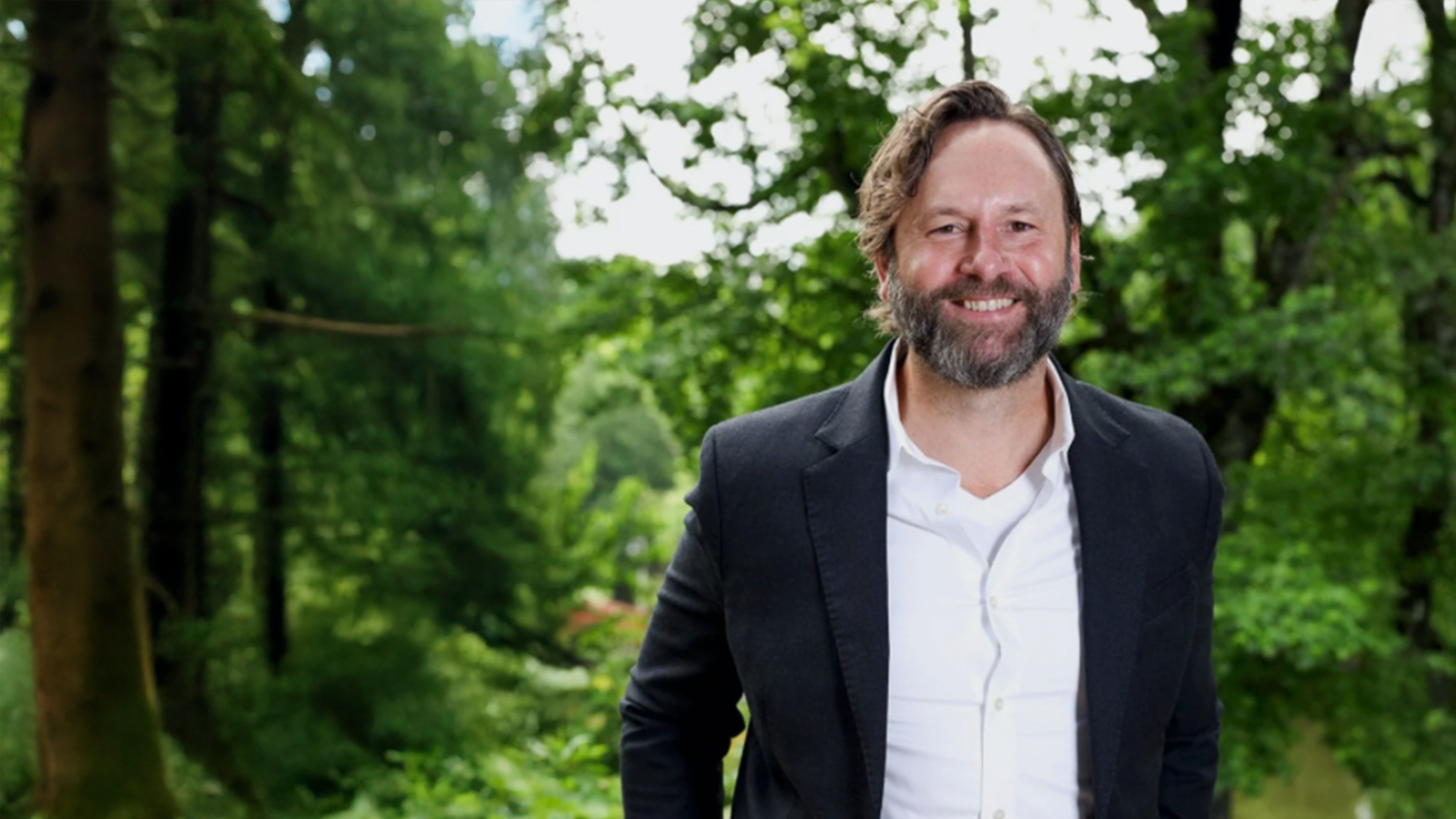


The Cradle to Career Network is transforming how this country supports its children and families, and that is a powerful proposition for the future.
Mark Sturgis, founder and CEO of Seeding Success
Memphis, Tennessee
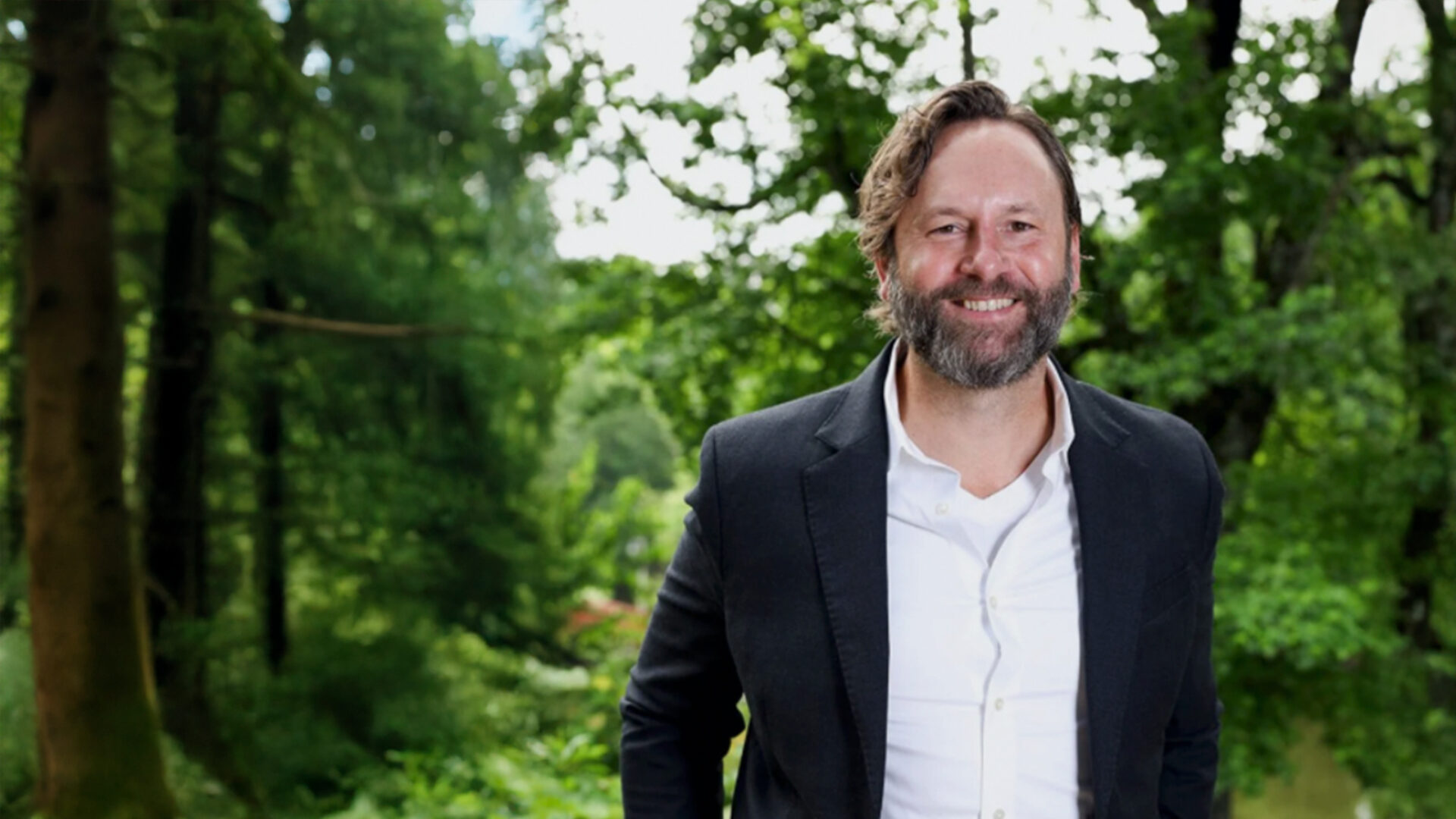
Innovation is driven when we’re able to think about what might be possible in our own local communities, building on what others are doing and what we’re learning from them.
Lisandra Gonzalez, CEO of Rocky Mountain Partnership Cradle to Career
North Denver metro region, Colorado

StriveTogether’s broad network allowed us to see how people get things done. We have some of the top folks in the country who are doing this work at a place-based level.
Vincent Lyles, executive director of Milwaukee Succeeds
Milwaukee, Wisconsin