When Marin County’s youngest learners walk through the doors of kindergarten, they bring with them more than backpacks and first-day jitters. They arrive with early experiences shaped by their families, neighborhoods and the systems working to support opportunity long before they enter a classroom.
Across Marin County, 90 partners in early learning, public health, schools and community organizations have come together through Marin Promise Partnership, a member of the StriveTogether Cradle to Career Network. Together, they share an understanding that strengthening kindergarten readiness supports early academic success and is critical for long-term educational attainment and economic mobility.
For Richard Raya, CEO of Marin Promise Partnership, that connection is clear. “Kindergarten readiness sets the foundation for a child’s academic success and long-term economic mobility. When more children start school ready to learn, entire communities benefit.”
When children begin school ready to learn, they are more likely to read on grade level, graduate from high school and access postsecondary opportunities that lead to family-sustaining wages. Strengthening readiness at the front end of the cradle-to-career continuum helps shape outcomes far beyond the early years.
 What the Kindergarten Readiness and Transitional Kindergarten Data Show in Marin County
Marin County is home to more than 10,000 children ages 0–5. Recent data show progress as well as persistent gaps in how prepared children are when they enter kindergarten.
Currently, 34% of Marin County’s kindergartners meet readiness benchmarks, up from 10% in 2022–23 and 29% in 2023–24. This progress aligns with expanded access to early learning, including preschool and Transitional Kindergarten (TK). As TK participation has increased, more children are entering kindergarten with stronger early literacy, social-emotional skills and familiarity with classroom routines.
The State of California has steadily expanded Transitional Kindergarten so that all children can enroll in TK before kindergarten. In Marin County, this statewide effort is reflected in increased participation in TK, with more students entering kindergarten having attended a TK program. Research shows that participation in high-quality early learning is strongly linked to later literacy, attendance and grade progression — key predictors of long-term educational attainment and economic mobility.
At the same time, access to early learning remains uneven. According to the 2024 Early Learning & Care Needs Assessment from the Marin County Child Care Commission, the average cost of preschool in Marin County is 40% higher than the statewide average, placing quality early learning out of reach for many families. For a family of four earning minimum wage, early learning and care can consume approximately 61% of their pre-tax income. Average monthly costs exceed $2,300 for center-based care and $2,100 for family child care, limiting families’ ability to access stable early learning that supports readiness.
Together, these data show momentum and urgency. Expanded early learning access is making a difference, but system barriers continue to shape who benefits most.
 A Shared Result, Priority Population and Clear Goal
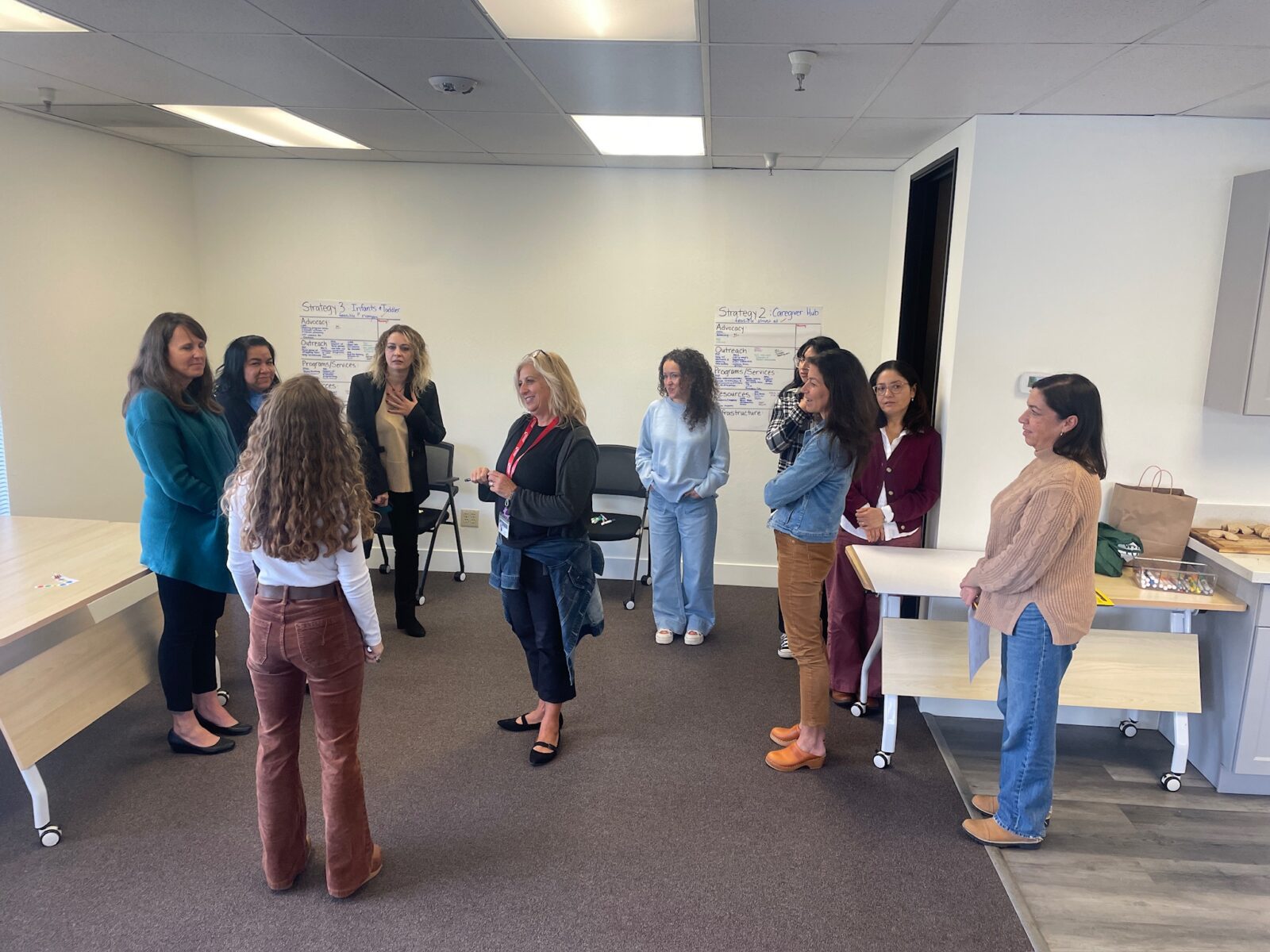
In response, Marin Promise Partnership aligned around a shared result focused on system readiness for children ages 0–5. Progress toward this result is tracked through a clear goal for the priority population: at least 80% of children will enter school ready to succeed, as measured by developmental, health and income indicators.
Data analysis identified a priority population as children ages 0–5 who are not yet attending kindergarten and who live in West Marin, including the Shoreline Unified School District, Lagunitas School District and Bolinas-Stinson Union School District attendance areas. These communities were identified because patterns in access, affordability and coordination consistently limit early learning opportunities.
This work is part of a broader, nationally recognized effort to strengthen pathways from early learning through career. In early 2026, Marin Promise Partnership was awarded $3 million over four years from StriveTogether to expand neighborhood-based partnerships that support children and families from early childhood through career.
The investment supports the expansion of Promise Neighborhoods, a place-based approach that brings together residents, schools, nonprofits, businesses and civic leaders to align goals, use data to guide decisions and focus resources on strategies that work. Across California, Promise Neighborhood communities have demonstrated improved kindergarten readiness, stronger attendance and higher high school graduation rates.
Turning Data Into System Change Across Early Learning and Literacy
Marin Promise Partnership’s kindergarten readiness strategies focus on strengthening early learning and early literacy systems so that expanded access translates into lasting outcomes. 
Partners are improving developmental screening, early literacy supports and referral pathways by expanding the use of Ages and Stages Questionnaires, a screening tool that helps identify how young children are developing, and by strengthening coordination among early learning providers, Transitional Kindergarten and K–12 educators, health care systems and family support organizations. By aligning screening practices and referral pathways across these systems, partners are identifying developmental and early literacy needs sooner and helping families connect to supports without navigating disconnected services.
In West Marin, Marin Promise Partnership convened the West Marin Kindergarten Readiness Team in 2019 to address readiness barriers in a rural context. Using local data on preschool costs and access to care, the team built a strong case for change. In 2021, collective advocacy led the Shoreline Unified School District board to integrate pre-K into the K–12 system.
Preschool classrooms were added to elementary campuses serving a high percentage of Latine and rural students. The West Marin Fund committed to covering potential budget losses, and the district’s preschool expansion has been cost neutral or operating at a surplus. The initiative has since expanded to all three elementary schools in the district.
Integrating pre-K into the school district increased staff wages, job security and benefits for early educators, expanded transportation access for rural families and increased access to California state preschool scholarships. These shifts strengthen the TK-to-kindergarten pipeline while supporting early literacy development and family stability.
 Measuring Progress Toward Long-Term Opportunity
Marin Promise’s approach to data reflects both rigor and adaptability. While the Kindergarten Student Entrance Profile is no longer administered countywide, partners are building a comprehensive developmental and early literacy data system.
Through collaboration with partners like Help Me Grow, Marin Promise is working toward a countywide approach to collecting and analyzing Ages and Stages Questionnaires data — using the tool to identify developmental strengths and needs early and connect families to supports before children enter kindergarten — alongside TK participation, preschool access and early elementary outcomes.
Partners also examine third-grade literacy through an early childhood lens, reinforcing the link between early learning, graduation and long-term economic mobility. Kindergarten readiness is an early indicator of later success, including third-grade literacy. According to the 2024 Early Learning & Care Needs Assessment from the Marin County Child Care Commission, 58% of Marin County third graders met or exceeded standards in English Language Arts and literacy in 2023, reinforcing the importance of strong early learning experiences that begin well before kindergarten and continue through the early elementary years.
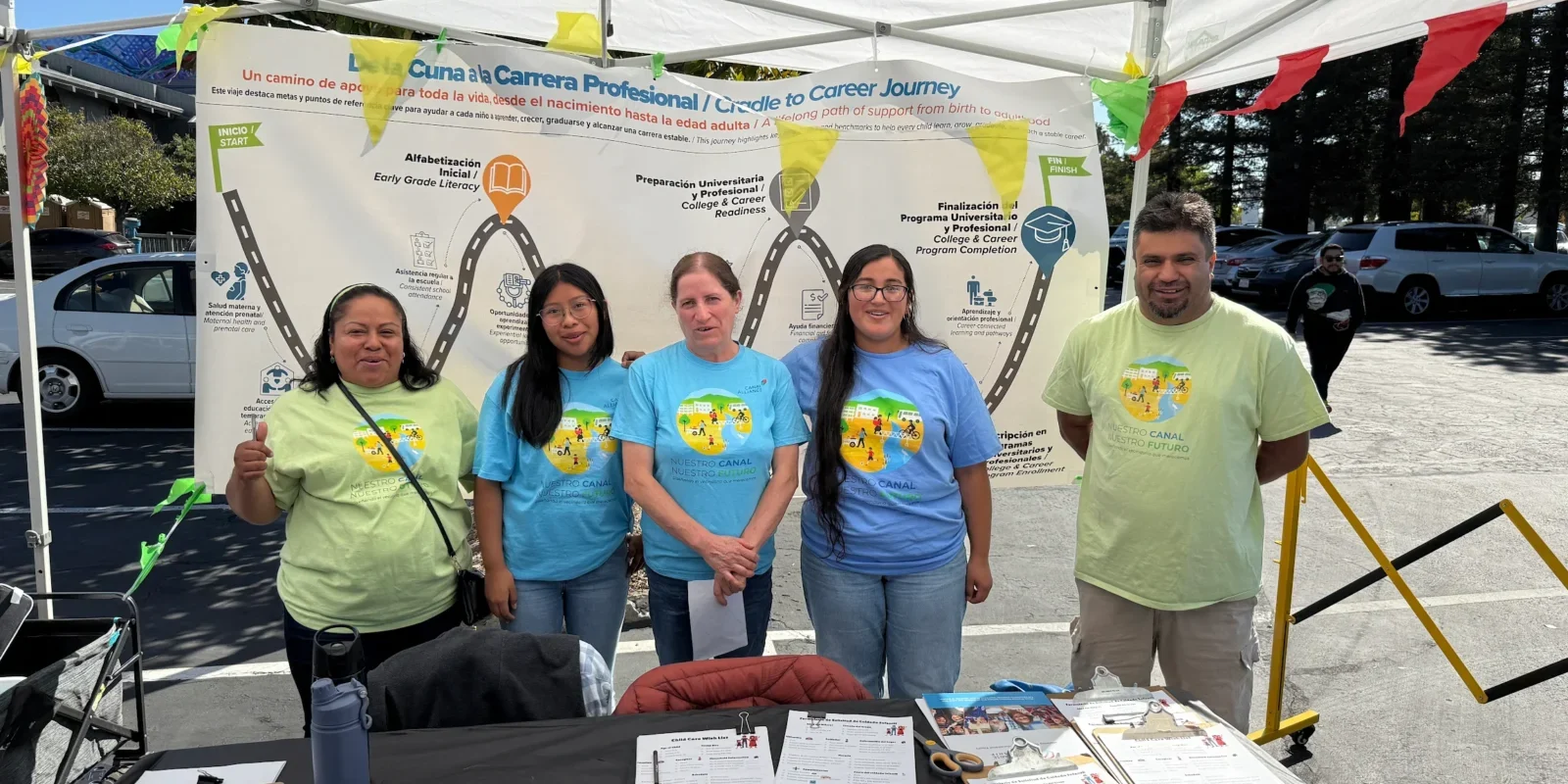
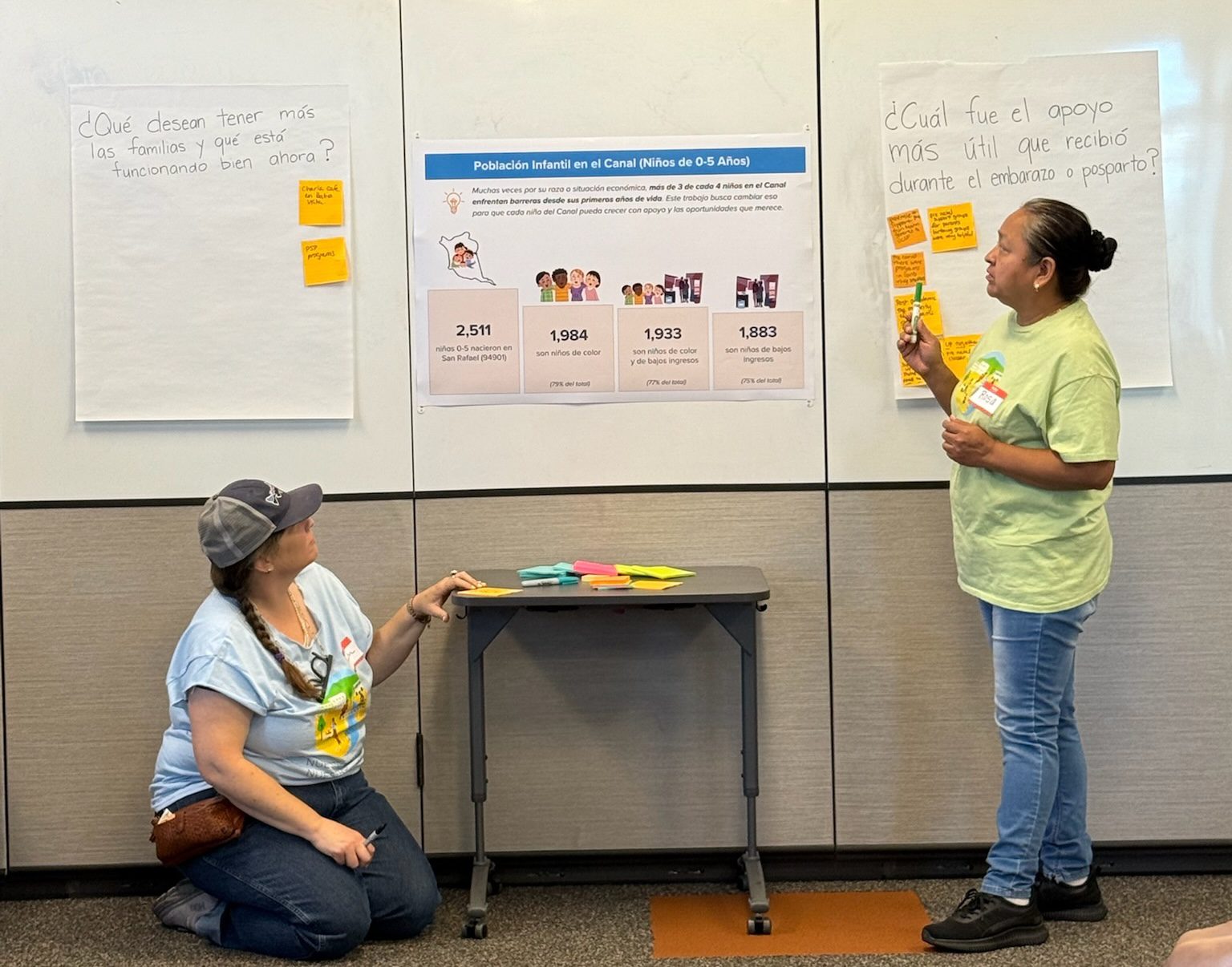
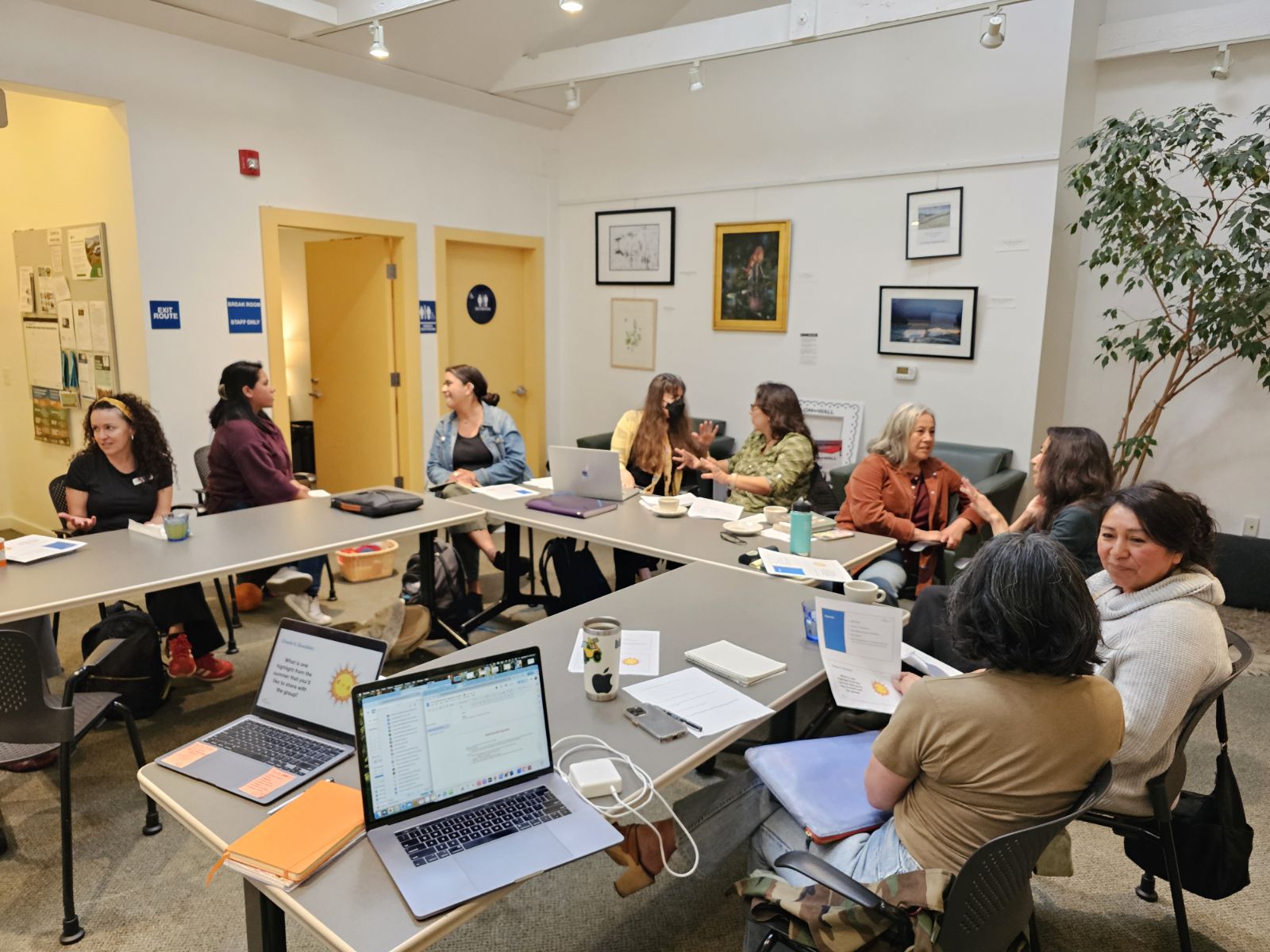
Families and early educators remain central to this work. Family advocates regularly bring community perspectives into decision-making spaces to ensure strategies reduce barriers rather than add complexity.
Marin Promise Partnership’s work reflects a simple but powerful belief: early learning and early literacy systems shape lifelong opportunity. Preparing children for kindergarten is not an endpoint. It is the foundation for a future where more young people graduate, access postsecondary pathways and earn family-sustaining wages, strengthening Marin County’s communities and economy for generations to come.